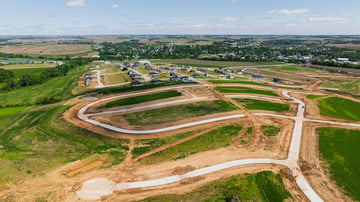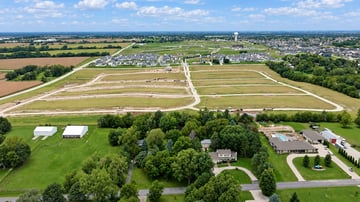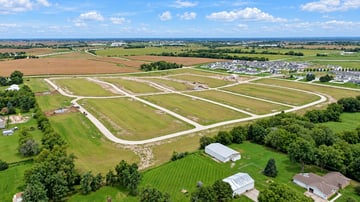

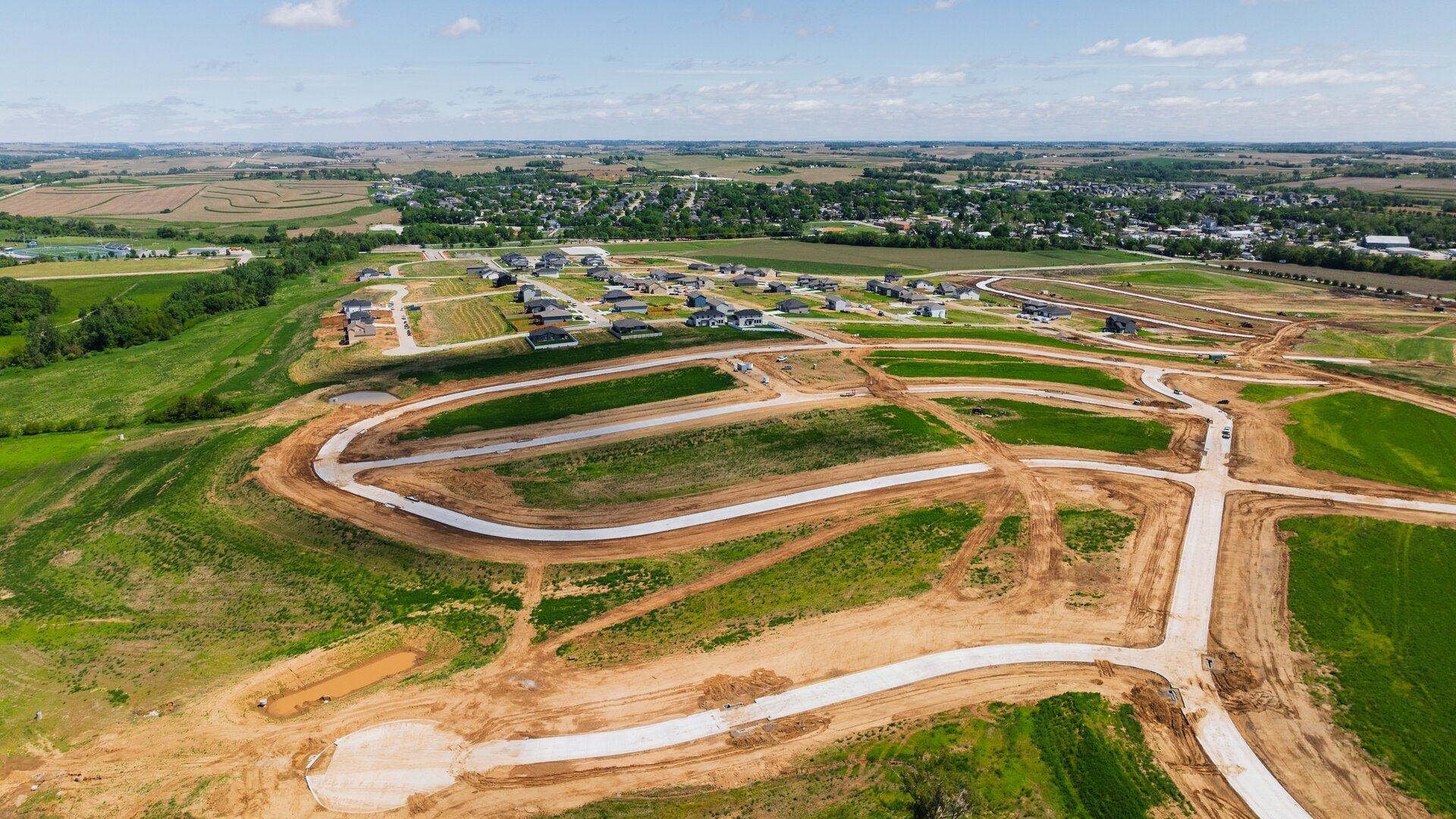
When buyers start shopping for a new home in Greater Omaha, they often jump straight to square footage for the house and only glance at the lot size. But the homesite you choose will shape your day-to-day life just as much as the floor plan. The right size in a Land Company community is less about chasing the biggest number and more about matching the yard, maintenance, and privacy you actually want.
A good starting point is to ask how you want your outdoor space to work. Are you picturing kids and dogs with room to run, or a lower-maintenance yard that lets you lock and leave on weekends? Do you dream of a future pool, sport court, or oversized patio, or would you rather back to a community trail, pond, or green space and let shared amenities do some of the heavy lifting? The Land Company intentionally creates a range of homesite sizes across neighborhoods like Coventry Wood, Belle Lago, Arcadia Ridge, and Sterling Chase so buyers can right-size their choice instead of defaulting to “bigger is better.”
In Omaha’s suburban communities, common single-family homesite sizes might range from roughly 6,500 to 10,000 square feet, with some larger or smaller depending on the subdivision. Walk-out homesites in places like Anchor Pointe, Shadow Creek, or Morgan Ridge are often deeper or shaped differently to accommodate grading and usable backyard space. Standard interior lots in communities such as Remington West or Sumtur Crossing might have a more traditional rectangular footprint that works well for families who prioritize a simple yard and straightforward maintenance.
Resources from independent experts can help you think through these tradeoffs. Practical guides like Choosing the Right Lot for Your Custom Home in Omaha walk through how slope, views, sun exposure, and street placement affect everyday living. When you pair that guidance with The Land Company's knowledge of each subdivision’s grading, HOA standards, and amenity plans, you’ll be better equipped to decide how much homesite you really need.
As you work through size decisions, keep the broader Homesite Buyer Education content in mind. The pillar article Homesites in Omaha: Your Complete Buyer Guide help you interpret how The Land Company plans and prices homesites and how to understand the shape and layout of specific lots on a community plat. Together, those resources give you a clearer lens as you compare neighborhoods.
Once you’ve clarified what you want your yard to do, it’s time to reality-check how much ground that actually requires in Greater Omaha. The answer is often less than buyers assume—especially in amenity-rich communities where trails, parks, and shared open space are built into the plan.
Think in zones instead of acres. A deep 140-foot homesite in Bennington or Gretna might feel generous, but if you only plan to fence part of the yard, your usable space may be closer to what you’d enjoy on a slightly shallower lot. A wider lot can make everyday life easier by improving driveway layout, garage placement, and side-yard access, even if the total square footage matches a narrower option. In walk-out-heavy neighborhoods like Anchor Pointe or Shadow Creek, the way the land drops behind the home may matter more than the exact depth measurement on paper.
Local regulations also shape how much of your lot can be covered by the home, driveway, and patios. Omaha’s zoning code sets maximum lot coverage percentages by district, which can affect how large a footprint you can build relative to the lot size. While your builder and The Land Company’s development team will confirm specifics, third-party summaries such as Lot Coverage Limits in Omaha, NE (2026) can give you a sense of typical ranges.
Maintenance is the other side of the equation. Nebraska summers can be hot and dry, and larger turf areas require more irrigation, mowing, and long-term upkeep. If you’d rather spend weekends at a neighborhood pool, on a nearby trail, or at youth sports, a moderately sized lot that backs to community green space may serve your lifestyle better than an oversized yard you feel obligated to maintain.
Finally, consider how the homesite will feel in winter. Corner lots in Papillion or Bellevue might collect more snow at drive approaches, while deep pie-shaped cul-de-sac lots can have longer sidewalks to clear. Right-sizing your homesite means planning for 12 months of life in Omaha, not just June evenings on the patio.
Latest from the Blog
Explore expert resources on Omaha homesites, land development, community planning, and neighborhood growth. Browse guides for home buyers, landowners, and builders throughout the Greater Omaha area.