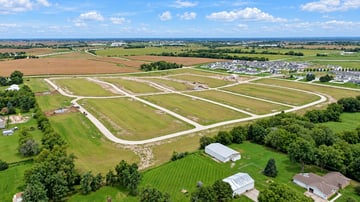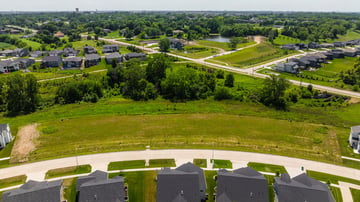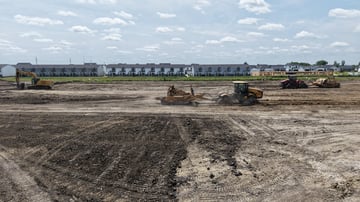

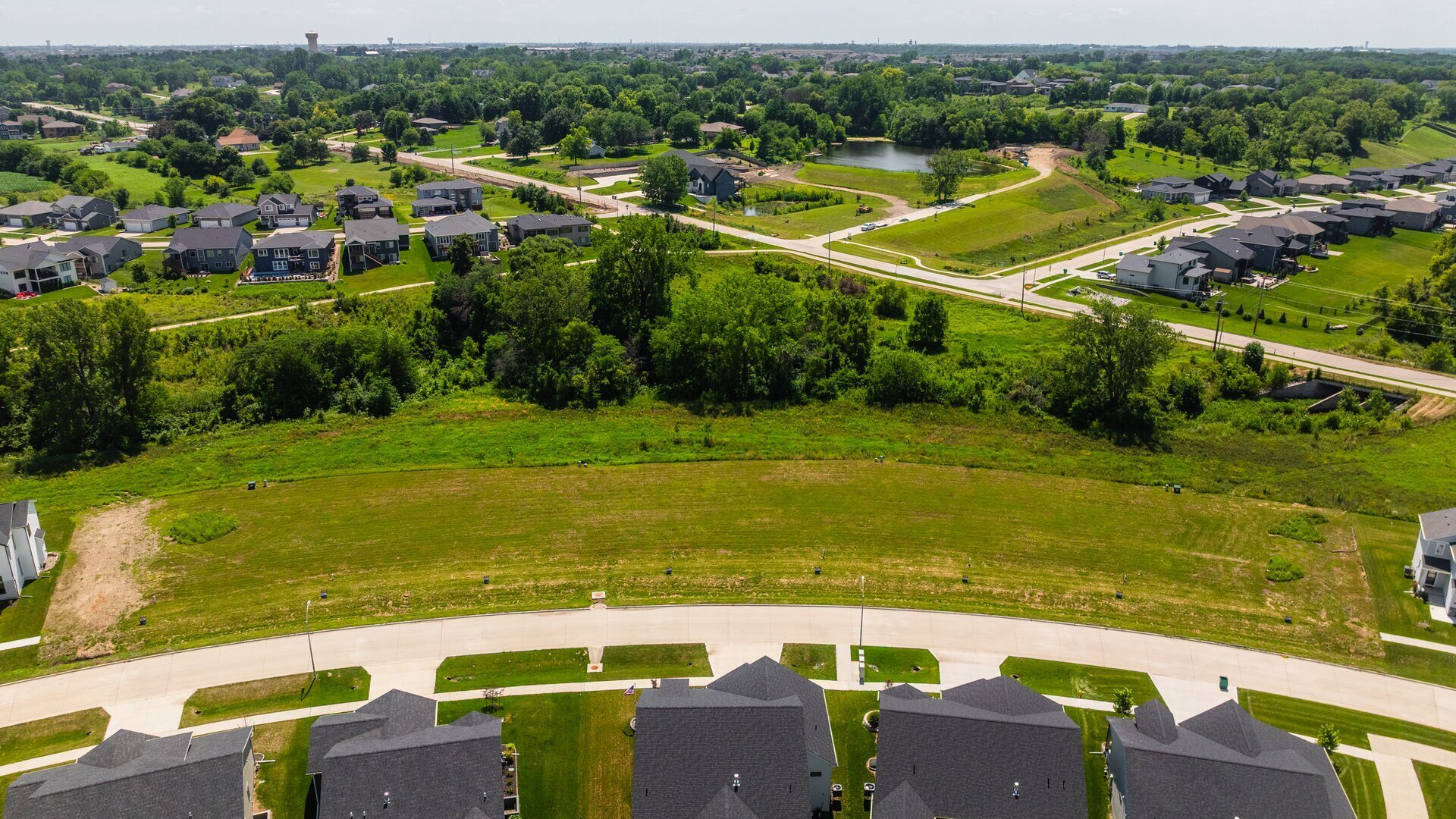
When a developer, builder, or broker calls about your land near Omaha, the first instinct is often to ask, “What are they offering?” A better first question is, “What kind of deal are we even talking about?” Because behind every headline number, there is a structure—straight sale, phased sale, or true development partnership—and each one carries different risks, rewards, and levels of control for your family.
For landowners in the path of growth around Bennington, Gretna, Papillion, Bellevue, Elkhorn, and Ashland, this choice is becoming more common. Fields that once felt comfortably “out there” are suddenly near new schools, commercial corners, and neighborhoods built on former farms. You are not just selling acres; you are deciding how and when to convert long-held ground into cash, investments, or a legacy community. The Land Company’s role, as a land developer focused solely on Greater Omaha homesites, is to help you understand those paths so you can choose the one that fits.
In simple terms, you usually face three broad options:
- A straight sale, where you sell all or most of your land in a single transaction.
- A phased sale, where you sell portions over time as development progresses.
- A development partnership, where you contribute land into a project with a land developer and share in the long-term value created.
National articles on selling land, like How to Sell Land in Nebraska: The Complete 2026 Guide, and broad primers such as How to Sell Land | Redfin, touch on some of these models, but they rarely dig into what they look like for Omaha landowners facing subdivision development specifically. This TLC guide fills that gap, building on our Landowner Education pillar, Thinking About Selling Your Land Near Omaha? Here’s What You Need to Know, to walk through the pros and cons of each approach.
Before we compare structures, it is important to get clear about your family’s non-negotiables: Do you prioritize the highest possible net price, the fastest exit, or the most control over what gets built? How important is it that your land becomes a community you are proud to point out—maybe even with your name on a street or park? Your answers will shape which path feels right when real offers show up.
Once you can see the basic outlines of each option, the next step is to compare them side by side for your specific situation in Greater Omaha. Here is a practical way to think about a straight sale, a phased sale, and a development partnership.
Straight sale
In a traditional sale, you sign a purchase agreement, move through due diligence and closing, and transfer the land in one transaction. You may negotiate for an option or contract period so the buyer can confirm zoning, access, and basic feasibility, but your involvement largely ends when the deed is recorded. Cash buyers and national land investors often favor this model because it is simple to explain and easy to replicate across many markets.
For landowners, the main advantages are speed and simplicity. You convert acres into cash, clean up your balance sheet, and move on. The trade-off is that you give up any chance to participate in future upside. Resources like How to Sell Land to a Developer for Cash highlight that developers, not landowners, typically capture most of the value created between raw ground and finished projects. That is not inherently unfair—it reflects the risk, capital, and expertise they bring—but it is important to understand before you sign.
Phased sale
A phased sale spreads out both the transfer of land and your payments over time. Instead of selling 160 acres all at once, you might agree to sell 40-acre phases as the developer completes infrastructure and sells homesites to builders. Each phase closes at a pre-agreed price or formula, often with escalation for inflation or certain market milestones. You still sell your land, but you stay tied to the project long enough to benefit from proper entitlement and infrastructure.
This approach can balance some risk and reward. You are not taking on the full development role, but you are also not walking away after a single check. It can be especially attractive in hot-growth corridors around Bennington, Gretna, or Papillion, where city plans and utility extensions suggest a multi-year pipeline of demand. The challenge is that phased deals are more complex and require legal and tax planning, so you need advisors comfortable with longer documents and multi-year relationships.
Development partnership
In a true development partnership, you contribute your land into a joint venture or similar structure with a land developer. The developer contributes expertise, relationships, and the capital needed for entitlement, engineering, and infrastructure. Together, you share in proceeds as finished homesites are sold to builders over time. Your return is tied directly to how well the project performs, and you have a greater voice in how the land is planned and phased.
This model is not right for every landowner. It requires patience, trust, and a clear understanding of risk. Laws and local processes play a big role—for example, Nebraska’s conditional use and zoning rules, including recent updates summarized at Nebraska Legislature Streamlines County Conditional Use Permitting, can influence timing and approval paths. But for families who care about both value and legacy, a well-structured partnership with a focused land developer like TLC can create the most alignment between what the land becomes and what the family hoped for.
As you weigh these options, sketch out your priorities: guaranteed minimum price, participation in upside, speed to liquidity, control over design and timing, and how involved you want to be after closing. A clear, written ranking of those factors will make it much easier to compare real-world proposals when they arrive.
With your priorities clear and a basic framework in mind, you are better positioned to respond when a developer or broker reaches out about your land. The goal is not to have all the answers on day one—it is to move from reacting to leading the conversation.
Start by asking better questions
When someone approaches you about your land, ask who they are, what they actually build or develop, and how they see your ground fitting into their plans. Are they a home builder, a land developer, or a flipper looking to assign contracts? Do they have a track record in Greater Omaha, or are they brand-new to Nebraska? Articles that dig into recent deals—such as coverage of option agreements and large land assemblies in regional outlets like Nebraska lawmaker among those who optioned land for potential data center project—illustrate how complex these transactions can be behind the scenes. Knowing who sits across the table matters.
Then, slow the process down
It is completely reasonable to ask for time to review any term sheet, option, or purchase agreement with your attorney and tax advisor before signing. In fact, you should be wary of anyone who pressures you to move faster than your comfort level. A serious partner will be prepared for your questions about price, timing, contingencies, infrastructure responsibilities, and how they handle setbacks like permitting delays.
Bring in Omaha-specific expertise
Land transactions near the metro edge involve city plans, county zoning, and, sometimes, state or utility coordination. An attorney or consultant who regularly works with Nebraska landowners on easements, access, and title cleanup—topics covered in depth in resources like Easements & Access in Nebraska (2025)—can help surface issues before they derail your negotiations. TLC often collaborates with landowners’ advisors to align project plans with what will actually close cleanly.
Finally, decide what kind of relationship you want
Some families prefer the clarity of a one-time sale, even if that means giving up future upside. Others value a longer relationship with a land developer who will keep them informed as their property becomes homesites in communities like Anchor View, Kempten Creek, or Iron Horse. Neither choice is automatically right or wrong—but one is likely a better fit for your goals, risk tolerance, and time horizon.
Whatever you choose, remember that you do not have to navigate it alone. The Land Company’s sole focus is land development in Greater Omaha—not homebuilding—so our team spends every day working at the intersection of landowners, municipalities, and builders. When you are ready to explore what sell-versus-partner could look like for your land, we can help you translate high-level concepts into a concrete, Nebraska-specific plan to review with your advisors.
Latest from the Blog
Explore expert resources on Omaha homesites, land development, community planning, and neighborhood growth. Browse guides for home buyers, landowners, and builders throughout the Greater Omaha area.