
Stage 1: Plats, grading plans, and on-the-ground checks
For Omaha builders, “finished homesite” can mean very different things depending on who prepared the subdivision. The short answer is that a strong finished lot should support your plans technically, sell well with buyers, and fit your long-term strategy in Greater Omaha. In The Land Company communities, finished homesites are deliberately engineered so you can move from purchase to first footing with fewer surprises and a cleaner experience for your field teams and homeowners.
This supporting post sits in the Land Development Process cluster and connects directly to the pillar resource. While the pillar explains how land moves from farm field to recorded plat, this guide zooms in on what builders should look for when they walk TLC subdivisions in Bennington, Bellevue, Gretna, Elkhorn, Papillion, Omaha, and Ashland.
Stage 2: Reading plats, grading, and drainage like a pro
With a baseline understanding of plat maps and grading plans, Omaha builders can start to see finished homesites the way their construction teams will. The goal is to separate “good enough” lots from homesites that truly support efficient builds, strong buyer interest, and fewer warranty calls down the road. In TLC communities, we encourage builders to walk the ground with both site plans and their standard elevations in hand.
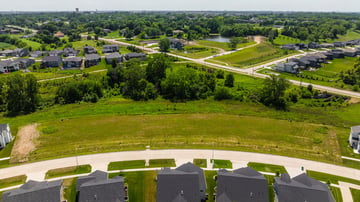
Begin with grading: On a walk-out homesite, you are looking for a comfortable fall from the front foundation line to the rear yard—not a cliff and not a flat yard that forces major retaining walls. In well-designed TLC neighborhoods like Anchor View, Kempten Creek, and Iron Horse, grading is planned so walk-out basements can accommodate full-height windows, patios, and safe transitions to the yard. As you stand on the lot, picture where the main floor will sit, how many risers will lead down to the backyard, and how easily a family can move from the kitchen to outdoor living.
Drainage is the next critical lens. Look for swales, inlets, and drainage corridors shown on the plans or visible in the field. Water should be directed away from foundations and toward designed collection points without cutting awkward channels through usable yard space. In eastern Nebraska’s freeze–thaw cycles and heavy summer rains, poor drainage planning can create wet basements, heaving sidewalks, and unhappy homeowners. TLC’s grading and stormwater systems are engineered to City of Omaha and surrounding jurisdiction standards, and we encourage builders to confirm those patterns during their own due diligence.
Utilities round out the technical checklist. Identify where water, sewer, gas, electric, and communications stubs enter each homesite and confirm they align with your typical foundation and garage locations. Misaligned services can complicate driveways, front porches, or lower-level walk-out doors. National development guidance, such as the title, zoning, and infrastructure sections of theProperty Development Due Diligence Checklist, highlights why utility location and capacity checks belong on every builder’s lot-evaluation list.
As you work through this checklist, sharpen your eye by comparing TLC lots to other options in the metro. Posts like How Omaha Builders Should Evaluate Finished Homesites in TLC Communities provide an even more detailed view of what “finished” should look like in this market—and why experienced builders gravitate toward communities where grading, drainage, and utilities have been thought through from the start.
Stage 3: From infrastructure to long-term partnership
Once you are confident that TLC finished homesites meet your technical expectations, the last step is to think about how each lot will support your business and your long-term relationship with a land development partner. The strongest builder–developer partnerships in Greater Omaha are built on clear communication, aligned expectations, and a shared commitment to community quality.
Start by mapping your product mix across the subdivision. Premium walk-out or amenity-adjacent homesites in neighborhoods like Arcadia Ridge, Remington West, orShadow Creek may be ideal for flagship plans or model homes, while interior or standard-depth lots can carry more value-focused series. Working closely with The Land Company, you can match elevations and price points to specific blocks so there is a natural gradation of options rather than a jumble of mismatched products.
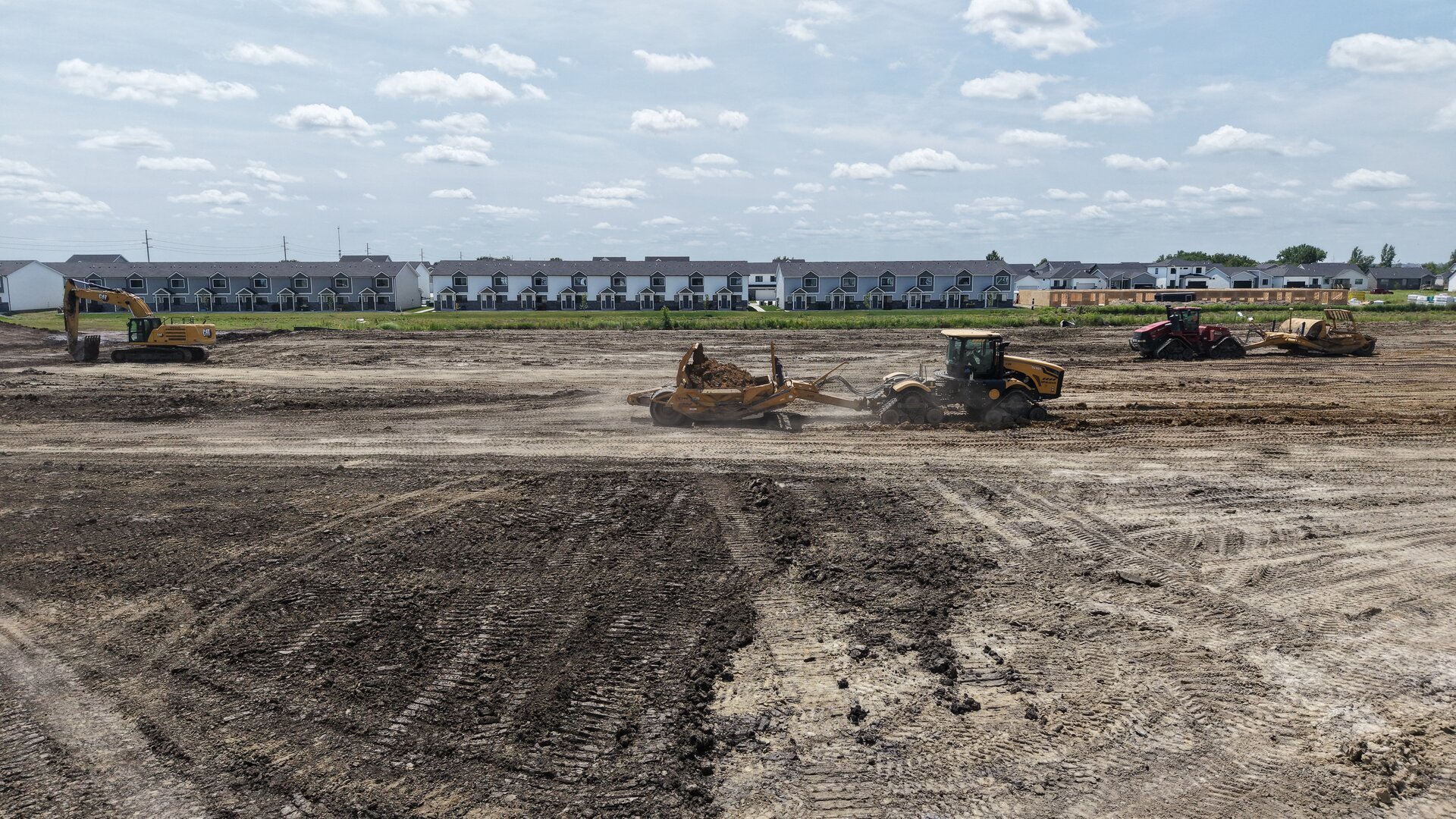
Next, consider construction logistics and phasing. In TLC communities, streets and utilities are delivered in phases that support logical building sequences, but it is still important to coordinate take-down schedules with your superintendent and trade partners. Sequencing lot starts by block or cul-de-sac can reduce material handling, shorten cycle times, and limit rework. Because TLC’s team is solely focused on land development—not vertical construction—we can stay in close contact about future phases, utility tie-ins, and timing so you can plan staffing and sales releases with confidence.
Finally, evaluate how HOA structures, covenants, and amenities align with your brand. TLC’s HOA planning is designed to protect long-term community value and builder reputations, not create friction. We set clear architectural standards, fencing guidelines, and landscape expectations so your team can answer homeowner questions consistently. Amenities like trails, ponds, and neighborhood open spaces are sited to support your premium-lot strategy and your marketing story. For a deeper dive into this side of the relationship, pair this article with How TLC’s HOA Setup Process Protects Builders and Homeowners Long-Term.
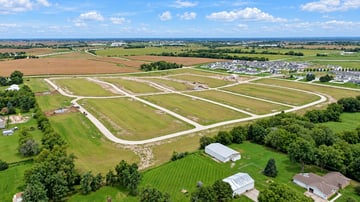
Before you ever step onto the dirt, start at your desk. Review the recorded plat, grading plan, and utility drawings for the phase you are considering. Identify where walk-out, daylight, and standard foundations are planned; note any stormwater facilities, open-space tracts, or future phases; and highlight homesites that back to amenities, arterial roads, or non-residential uses. This desk review gives you a prioritized list of lots to inspect in the field.
On the ground, compare what you see to what is on the page. Stand at the front of each candidate homesite and imagine your standard elevations: driveway slopes, front walks, porch heights, and garage relationships to the street. In TLC neighborhoods that emphasize walk-out homesites—such as Anchor Pointe, Arcadia Ridge, or Iron Horse—you will see how grading has been shaped to support usable rear yards and bright lower levels rather than simply chasing maximum lot count.
External resources can help sharpen your internal checklist. Zoning and due diligence guides emphasize the importance of confirming zoning, permitted uses, setbacks, and lot coverage before acquisition. While TLC handles entitlement and subdivision design, those same principles apply when you are deciding which finished lots best match your product and long-term pipeline.
Latest from the Blog
Explore expert resources on Omaha homesites, land development, community planning, and neighborhood growth. Browse guides for home buyers, landowners, and builders throughout the Greater Omaha area.